This blog is for everyone who uses words.

The ordinary-sized words are for everyone, but the big ones are especially for children.


Friday, 21 November 2014

Word To Use Today: liver.

Think of a word that's full of the joy of sunshine.

I bet you didn't come up with liver, did you.

No, because to most of us liver is either something squishy inside us, never thought of unless it happens to go wrong, or something that looks like a slab of mud that sometimes ends up on our plate.
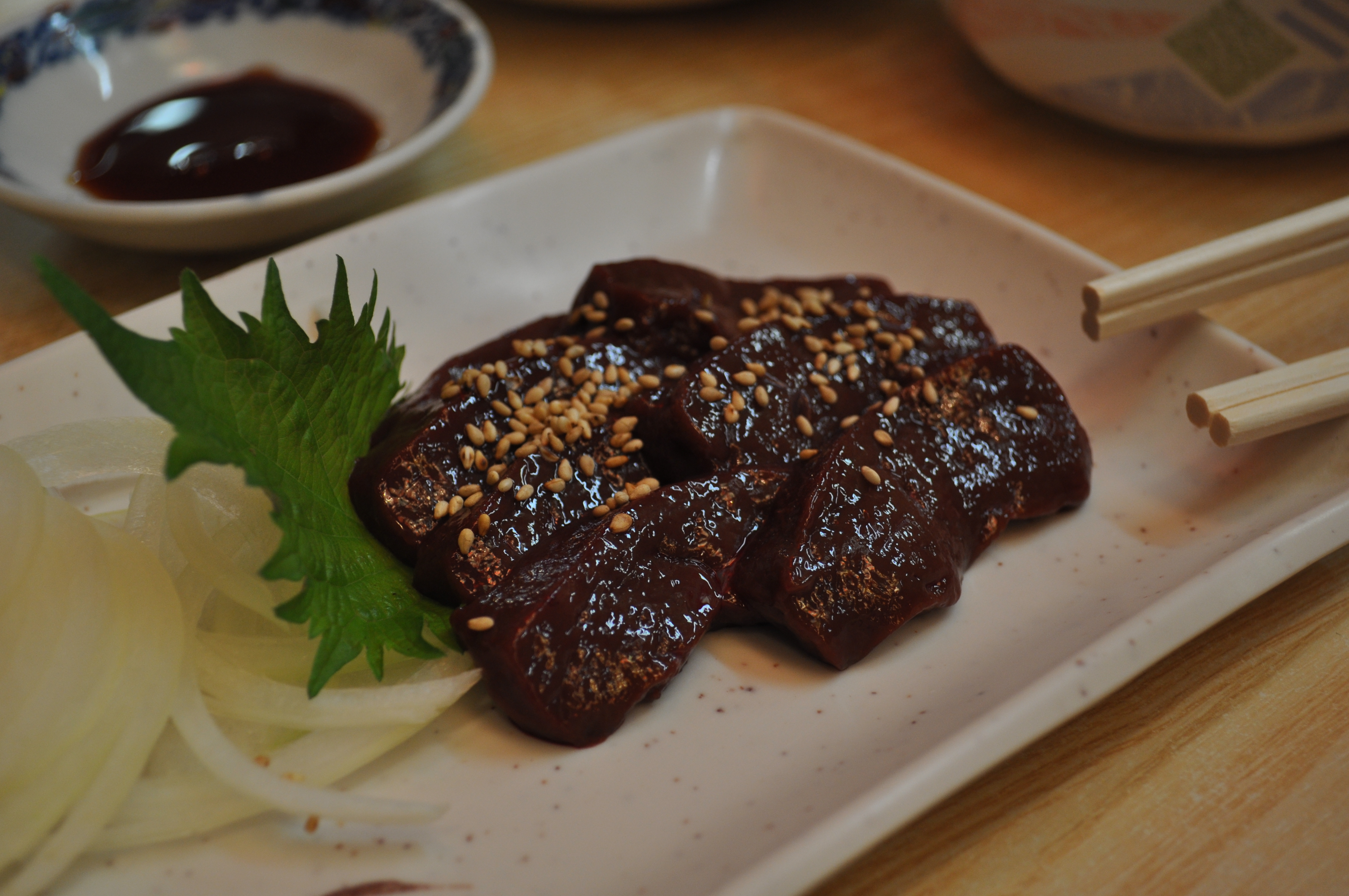
File:Beef liver sashimi.JPG
Photo by Schellack

To make things even lovelier, the word liver comes from the Greek word for fat. Yum.

But in Iceland...

You may think you have it dark and gloomy in winter where you live, but the chances are that in Iceland it's worse. Miles worse. The sun hardly gets above the horizon for weeks on end, and that means that (apart from bumping into things a lot when you go out) you get hardly any of the vitamin D you need from sunlight.

So where do you get it from?

If you're Icelandic, the chances are it's from lysi.

Lysi is a traditional supplement for Icelandic children: it's quite common for nurseries to dish the stuff out daily.

What is it?

Liver. Well, cod liver oil, in any case.

The word lysi, by the way, has nothing to do with fat. No, instead lysi is related to the word lysa, which means illuminate. That's because it gives you vitamin D, just as the sun does in the summer.

Lysi: golden liquid sunlight.

It's almost enough to make me want to rush down to the pharmacist for some cod liver oil.

But not quite.

Word To Use Today: liver. The English word comes from the Greek liparos meaning fat.

Thursday, 20 November 2014

Beyond words: a rant.


Free Spooky Body Parts Clipart

Look, I love and honour language. I'm awed by its power, flexibility and precision.

But there are limits, you know, and when someone gave these lime green false nails decorated with eyeballs the brand name Elegant Touch, I'm very much afraid they burst through them.

Word To Use Today: elegant. This word comes from the Latin ēlegāns, tasteful, and is related to the other Latin word ēligere, to select.
 

Wednesday, 19 November 2014

Nuts and Bolts: chocolate delight.

Have you ever eaten a Marathon chocolate bar?

Don't be too hasty in your denial, because in England until 1990 a Snickers Bar was called a Marathon Bar. And, personally, I've never eaten one since.

I mean, Marathon is obviously the sort of bar that gives you the strength to go a long way, isn't it. But Snickers? The company (Mars) haven't bothered even to pretend that's going to do you any good/ And what can be more important for a chocolate bar than giving an impression of delicious goodness?

I mean, let's look at the figures. The third top-selling chocolate brand in the world is Cadbury's; number two comes in as Toblerone; and the best-selling chocolate bar in the world is...

...wait for it...

...the Snickers Bar!

Oh.

Rats.

Another fine theory bites the dust.

The reason I've been thinking about the names of chocolate bars is that the other day I came across Mr Prempy. It's a new company set up in London by Shadi Geris and Suminder Sandhu to sell organic cakes and chocolate bars.

Their best-selling product is called...

....Gerald.

Yes, that's right, Gerald.

It's named after the trends forecaster Gerald Celente, a hero of one of the founders. There's also a Mr Prempy's product named after another hero, the philosopher Ludwig von Mises.

In the light of this information, the only theory I can come up with  is that the prospect of chocolate short-circuits the part of the brain that processes language.

And if anyone out there would like me to do some practical research to prove it, I'd be pleased to oblige.

Word To Use Today: one that's the name of a chocolate bar. Toblerone's name is a combination of the Italian word torrone, a type of nougat, and its creator Theodor Tobler; Cadbury was the inventor of the chocolate bar itself; and Snickers was the name of the Mars factory-owner's horse.


Tuesday, 18 November 2014

Thing To Do Today But Only Of A Thing Of Which You're Actually President: preside.

"Ladies and Gentlemen of the Society of Cake Bakers!

"I address you as President of the Potato Society, and as President I instruct you to stop at once this decadent baking of cakes.

"If cakes are produced then this will reduce the number of potatoes consumed, and this will harm the Potato Society.

"Therefore the baking of cakes is an aggressive act, and I give you warning that if this continues the Potato Society will be obliged to defend itself.

"I speak as President!"

******

Thing To Do Today But Only Of A Thing Of Which You're Actually President: preside. This word comes from the Latin praesidēre, to superintend, from prae before, and sedēre, to sit.


Monday, 17 November 2014

Spotm the frippet: something esculent.

Something esculent?

It's dead easy.

No, it's not anything to do with escalators or succulents, or even escaping succulents on escalators (Stop that cactus!).

In fact, I'm pretty sure you'll have already come across several esculent things today, and that you, with your usual elegance and skill, have made them entirely invisible - have made them vanish from all mortal ken, in fact.

I'm pretty sure you thoroughly enjoyed doing it, too.

So what does esculent mean?

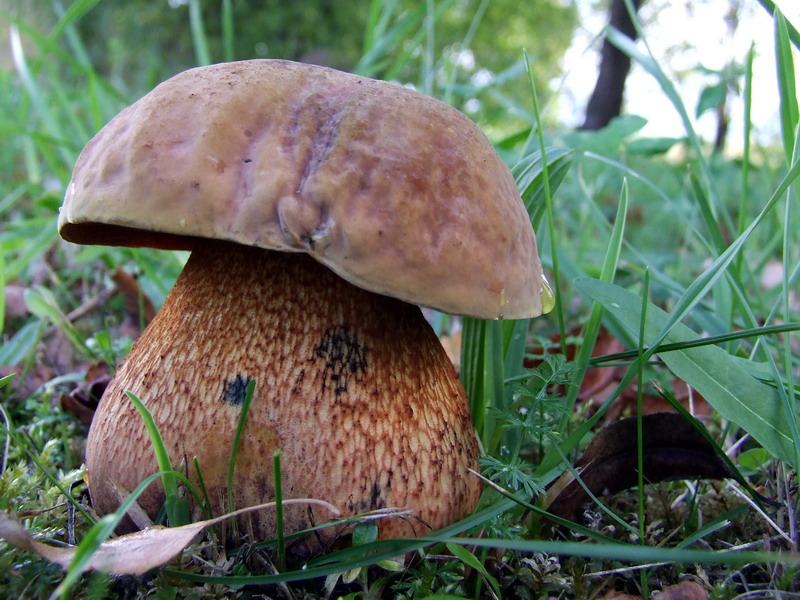
Well, these are esculent:

chickens

And so is this:

File:Boletus luridus 3.jpg
Boletus luridus. Photo by Tokecas.

So, what do they have in common?

Yes, they're both edible.*

But esculent sounds much juicier, doesn't it.

Spot the frippet: something esculent. This word comes from the Latin ēsculentus, good to eat, from ēsca, food.
  
*In both cases, I hasten to add, only when cooked.

Sunday, 16 November 2014

Sunday Rest: antidisestablishmentarianism. Word Not To Use Today.

Compared with some sesquipedalian  German words, antidisestablishmentarianism isn't that long.

In English, however, the use of the word antidisestablishmentarianism (unless you're discussing the history of the Church of England, which is, let's face it, vanishingly unlikely) is a sign that the speaker is both a show-off and a pompous bore.

If anyone's interested (though I can't imagine anyone much is), antidisestablishmentarianism means...well, the establishment bit is to do with the Church of England having a special legal basis in the constitution of England (establishmentarians hold the view that this is a good and necessary thing); disestablishmentarians think the C of E should have no such special political place; and antidisestablishmentarians think they are nuts.

See? It's all quite simple, though very pompous and silly - and surely - surely! - the word must originally been made up as a joke.


Sunday Rest: antidisestablishmentarianism. Establish comes from the Latin word stabilīre, to make firm.


Saturday, 15 November 2014

Saturday Rave: In Memorium (Easter 1915) by Edward Thomas.

The loveliest and most terrible thing about remembering is that it goes on and on and on.

The loveliest and most terrible thing about remembering is that it needs to go on and on and on.

Of all the First World War poems, this is the one that comes to my mind most frequently (and not just at Easter) and makes me most forlorn.

Here it is in full.

The flowers left thick at nightfall in the wood
This Eastertide call into mind the men,
Now far from home, who, with their sweethearts, should
Have gathered them and will do never again.


File:Welsh Primrose.jpg
Photo: User:Velela

Word to think about today: never. This word comes from the Old English næfre, and is a compound of ne, not, and æfre, ever.