This blog is for everyone who uses words.

The ordinary-sized words are for everyone, but the big ones are especially for children.


Thursday, 23 June 2022

Bad stuff: a rant.

 I am a bad person. 

I'm white, for a start; I'm of of a sex (or gender, if you like) quite ordinary and prevalent among the population of the world; and I am broad-minded about politics and people. 

I eat food, and breathe out carbon dioxide. I'm English.

There is no hope for me.

I had a birthday recently (I'm what is called a boomer, too) and received a gift of soap. On the box it declares:

CRUELTY FREE

VEGAN

NO PALM OIL

NO PARABENS OR SLS

NO SYNTHETIC COLOURS OR FRAGRANCES

and it seems that just about everything is bad...

...except, just possibly, butterflies.

I can't think of anything bad about butterflies.

I suppose that's something.

Word To Use Today: bad. This word is itself very bad because it probably comes from the Old English bæd-, the first part of the word bǣddel, hermaphrodite, from bǣdling, am actively gay man. 


Wednesday, 22 June 2022

Nuts and Bolts: whataboutery.

 Whataboutery is a newish term, and exactly what it means is still in the process of being agreed.

The consensus at the moment seems to be that whataboutery is when, faced with an accusation, blame is deflected by bringing up some other grievance.

It's a technique as old as speech. Possibly older.

It's not something like:

You've eaten all the cake, haven't you?

Well, you keep insisting I have salad for dinner, and no one can survive on that.

because that's a valid(ish) argument based on the original question.

An example of whataboutery might go:

You've eaten all the cake, haven't you?

Do you know that I had to run out in my pyjamas this morning because you forgot to put the bins out again?

Whataboutery is not clever, but it does sometimes work, especially if the new point of issue is so sensitive that it can't be addressed without causing utter mayhem, such as racial history or transgender rights.

The thing to remember, though, is that it's only people who are afraid of the truth who are afraid of logic.

Word To Use Today: whataboutery. This term seems to have originated in Northern Ireland during The Troubles of the 1970s. It's a portmanteau of the words what and about (obviously).

In previous times whataboutery was called tu-quoque, which is Latin for you too.


Tuesday, 21 June 2022

Thing To Do Today: snarf something.

 With any luck the pandemic has now subsided into dull grumbling inconvenience.

It's still making everything slightly less fun, though. 

Hey, let's go to the zoo - or the theatre - or the restaurant - but no, we can't, because we needed to have booked it yesterday.

What can we do that's light-hearted and unplanned? We can go for a more or less solitary walk. 

Or we can snarf something.

Snarfing doesn't involve sitting down to eat a proper meal at the proper time. Snarfing is hogging a handful of biscuits, or a pork pie, or a piece of cake just because it's there. You snarf something not because you're hungry, but through pure greed; through pleasure at getting your teeth into something. Through sudden impulse.

You may be half way through eating it before you even notice.

It may not be healthy. It may not be virtuous.

Oh, but the joy of giving in to a sudden urge for once.


photo by Alan Fryer

Where's that biscuit barrel?

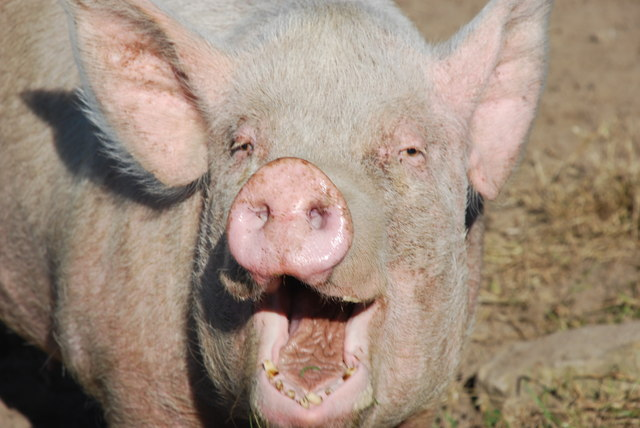
Thing To Do Today: snarf something. This word is American and emerged in the 1960s, perhaps as a variation on the word scarf, which also means to eat greedily. Some people think it's a combination of scarf and snort. Some people think the word is onomatopoeic, and imitates the sounds of pigs eating at a trough.


Monday, 20 June 2022

Spot the Frippet: quarry.

 There are three kinds of quarry that are possible to spot.

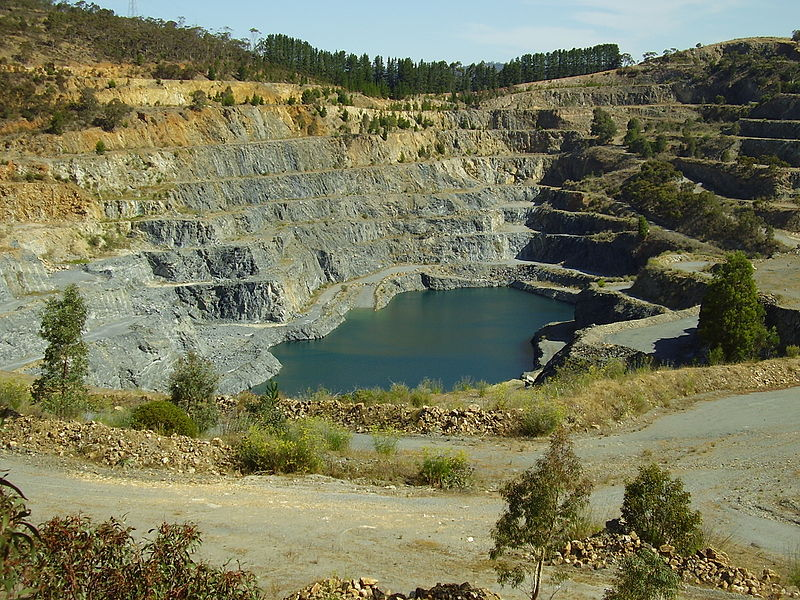
There's the kind where people dig out rock:

quarry, Adelaide. Photo by Peripitus

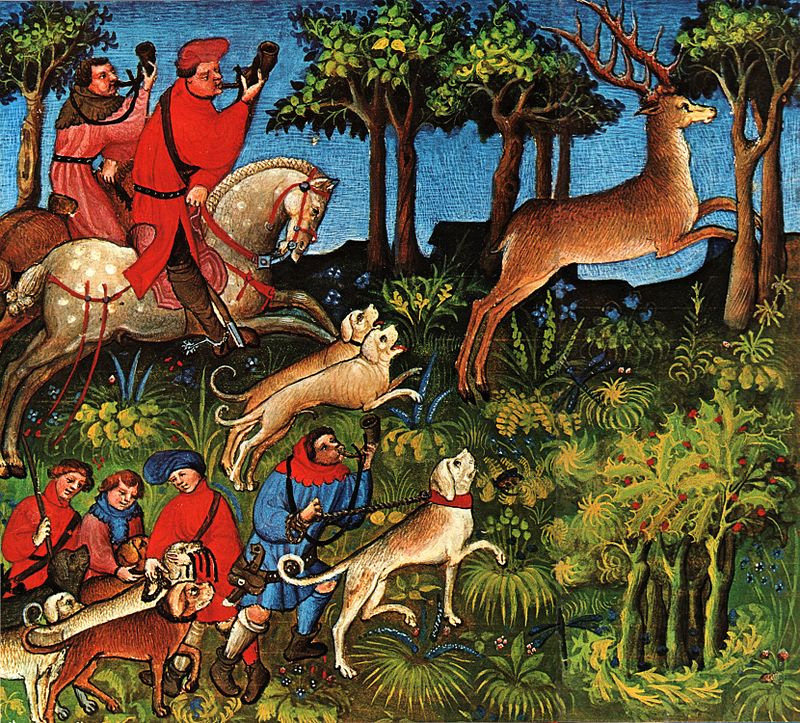
the kind that's a hunted animal (which might be human):


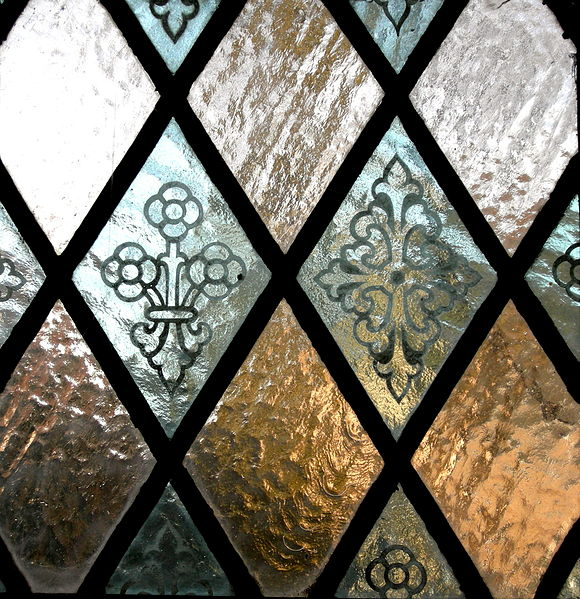
and the kind that's a diamond or square shape:

photo by Storye book

This is the shape of a quarry tile.

There is just a possibility of seeing a quarry through a quarry in a quarry. But even if you did it would still sound ridiculous.

Good hunting!

Word To Use Today: quarry. The digging place word is probably something to do with the Old French word quarre meaning a square-shaped stone, from the Latin quadrāre, to make square. The being-square word is related, and comes from the Old French quarrel, pane, from quadrellus, a diminutive of quadrus, which means square. As for the hunted-animal word, the old French quirre describe animal innards which were offered to the hounds on the animal's hide, from the Old French cuir, hide, from the Latin corium, leather. The history of this word was probably influenced by the Old French coree, entrails, from the Latin cor, which means heart. 

Sunday, 19 June 2022

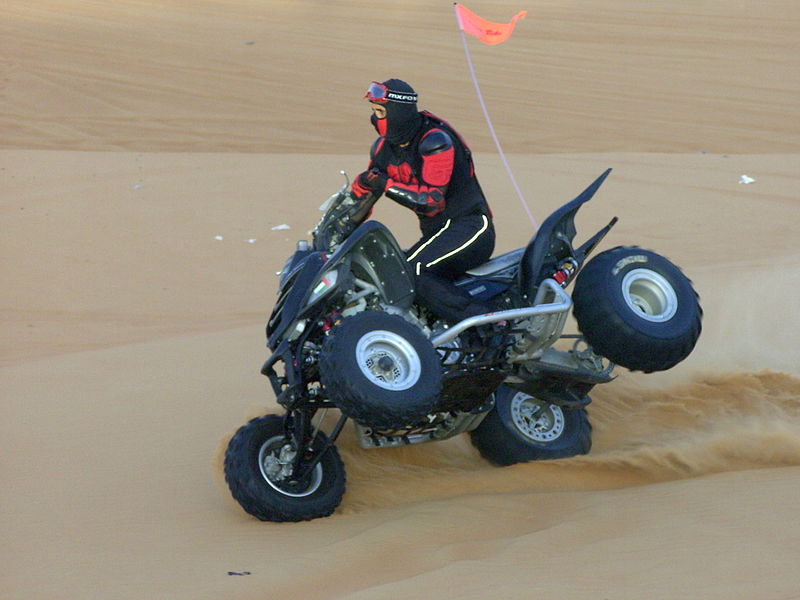
Sunday Rest: quad bike.

 Look, bike is short for bicycle, yes? And the the word bicycle basically comes from two bits of some ancient languages, one bit meaning two and the other meaning wheel, right?

So how many wheels does a quad bike have, then?

Honestly. Some people have no logic at all...

photo by Peter Ellis


Compound Noun Not To Use Today: quad bike. The Latin bis means twice; the Greek kuklos means wheel. The Latin quadrangulum means having four corners.

Saturday, 18 June 2022

Finest Hour speech by Winston Churchill.

 In 1940 the German army chased British forces off the continent of Europe. The retreat was so hurried that a call had to be put out for anyone with a boat capable of crossing the English Channel to sail to Dunkirk to help with the evacuation.

The whole thing was an utter disaster. A lot was made of the plucky little ships saving our brave boys, but that didn't mean that the only sensible thing to do wasn't to make peace with Hitler.

And then, on June 18th 1940, the new British Prime Minister, Winston Churchill, got to his feet in parliament and gave a speech.

The disastrous military events which have happened during the past fortnight have not come to me with any sense of surprise. Indeed, I indicated a fortnight ago as clearly as I could to the House that the worst possibilities were open; and I made it perfectly clear then that whatever happened in France would make no difference to the resolve of Britain and the British Empire to fight on

was the uncompromising beginning. Winston Churchill went on to speak of the dangers of invasion, and of bombing raids, and the efforts being made to strengthen the armed forces. At no point did he say any of it was going to be easy. He did, however, declare that Britain and its allies would win in the end.

And then came the magnificent peroration.

What General Weygand called the Battle of France is over. I expect that the Battle of Britain is about to begin. Upon this battle depends the survival of Christian civilization. Upon it depends our own British life, and the long continuity of our institutions and our Empire. The whole fury and might of the enemy must very soon be turned on us. Hitler knows that he will have to break us in this Island or lose the war. If we can stand up to him, all Europe may be free and the life of the world may move forward into broad, sunlit uplands. But if we fail, then the whole world, including the United States, including all that we have known and cared for, will sink into the abyss of a new Dark Age made more sinister, and perhaps more protracted, by the lights of perverted science. Let us therefore brace ourselves to our duties, and so bear ourselves that, if the British Empire and its Commonwealth last for a thousand years, men will still say, “This was their finest hour.”

**

That speech was given eighty two years old today.

It is, sadly still relevant; and still shiveringly inspiring, too.

Word To Use Today: abyss. This word comes from the Greek abussos, bottomless, from a- not, or without, plus bussos depth.


Friday, 17 June 2022

Word To Use Today: something succinic.

 Something succinic sounds as if it sucks, but it doesn't. 

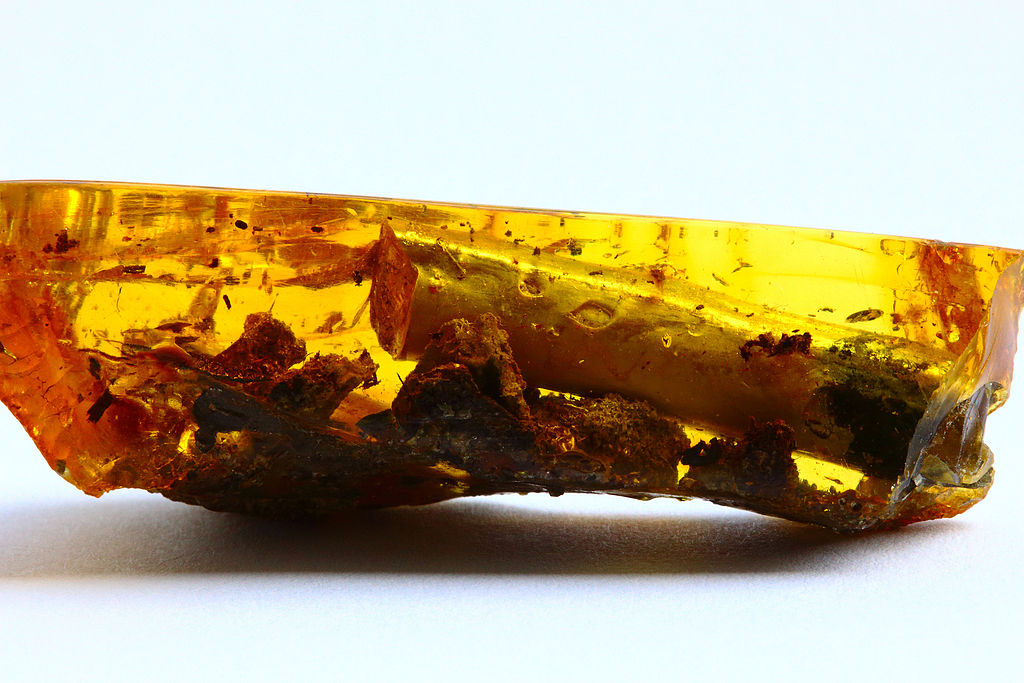
Not at all, in fact, because it's this:


Yes, it's something made of amber.

Amber has given its name to the amber fluid also known as the amber nectar (that's beer, especially in Australia), and to an Amber alert, which is an American public-warning announcement which may perhaps be about traffic conditions, or perhaps about a missing child.

An amber gambler is a British expression to describe a driver who jumps amber traffic lights.

You'd think the most obvious feature of amber was its colour, but there's grey amber - or ambergris - which comes from the intestines of the sperm whale (lovely!), is mostly cholesterol, and is used on perfumery. 

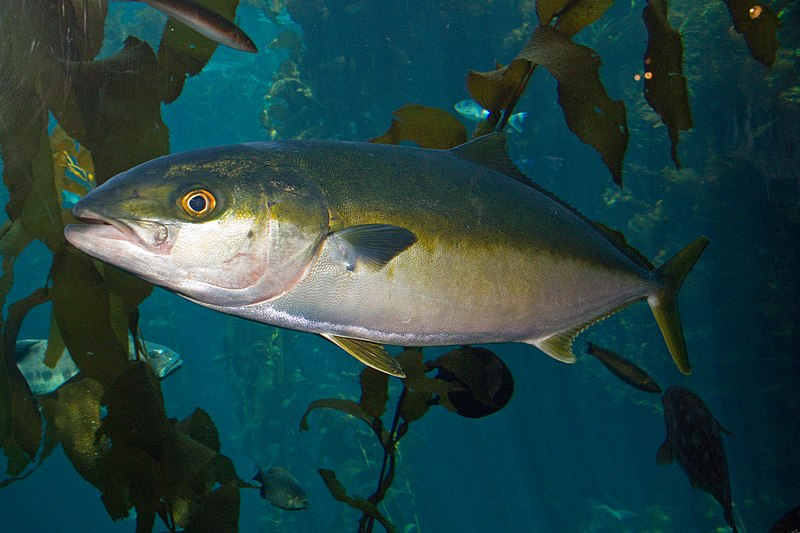
Amberjacks:

photo by Brian Gratwicke

are not used in perfumery, but can be eaten (though not all at once: they can weigh up to eighteen kilograms).

Amberoid is a mixture of amber and resin, and used to make a cheap amber look-alike.

Amber is fossilised tree sap, of course. I found a piece once on a family holiday on Dover beach. I still look for amber on every beach. 

But I've yet to find any more.

Word To Use Today: amber. This word comes from the Arabic anbar, and at first referred to ambergris. When the word was first used to mean the fossilised sap, that was known as white or yellow amber

So what's the connection between ambergris and amber

Well, they are both found washed up on sea shores, of course.

The origin of an Amber Alert is very sad, because the first one was made after the disappearance in Texas of Amber Hagerman, who was later found murdered.